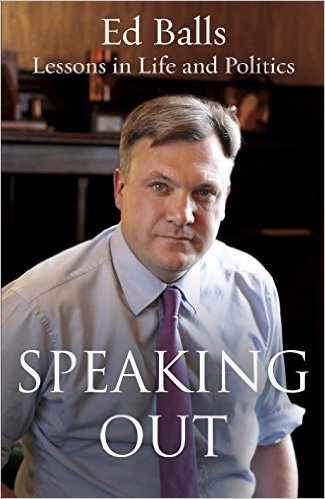

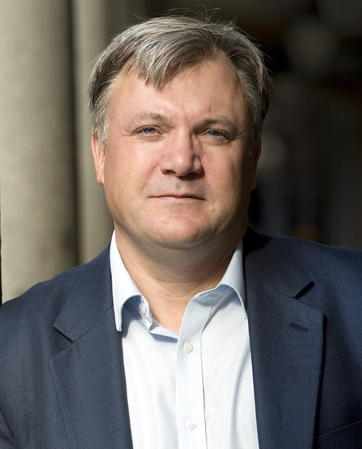
Ed Balls
CO-EXCLUSIVE
ADD TO MY SPEAKER LIST
- UK Shadow Chancellor and Chief Economic Advisor to the UK Treasury (2010-2015)
- Economic Secretary to the UK Treasury (2006-2007)
- Former Chair, International Monetary and Financial Committee Deputies
- Leading Global Economist & Expert on Monetary Policy and Eurozone Issues


- The Institute of International Finance


The Future of Britain, Post Brexit
Following the historic vote, Britain is leaving the European Union. Given that the UK is the US biggest European trading partner, what are the implications for UK politics, Europe and US and global business?
Opportunities and Risks in the Global Economy
The world economy continues to recover slowly and fitfully from the global financial crisis. The Euro-zone crisis remains unresolved. China is slowing. Emerging markets remain vulnerable to economic shocks. And central banks have been cautious about raising rates. Are we locked into an extended period of slow and fragile growth? Will economies cope with a steady and cautious rise in interest rates? Or are the seeds of the next bout of instability already being sown?
Why We Must Deliver Inclusive Prosperity
Wage growth has been stagnant for over a decade in America, Britain and across many parts of the developed world as inequality has continued to grow. And the result has been growing anti-politics and anti-business sentiment and the rise of extreme parties on both the far-right and far-left peddling populist and anti-trade solutions. What are the drivers of this wage stagnation? Can we build a more inclusive prosperity for the future? And what are the consequences for government and business if we fail?
Politics, Business and Public Opinion in the 21st Century
The rapid globalization of our economies and politics, and the digital-age rise of social media alongside the decline of traditional news media, have transformed the environment in which business and political decisions are made. The pace of change is much faster and reputations, painstakingly built over years, can be lost much more quickly than ever before. What can lessons can politics and business teach each other about how to navigate this new and fast-paced 21st century world — and how do we capture the benefits?