
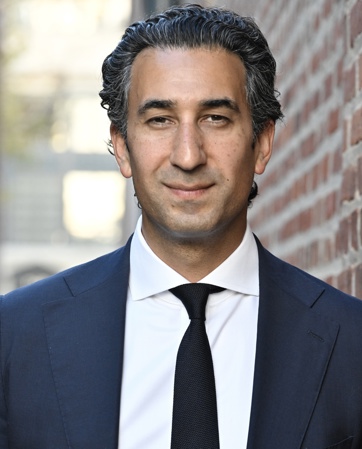
Karim Sadjadpour
NEW EXCLUSIVE
ADD TO MY SPEAKER LIST
- Senior Fellow at the Carnegie Endowment for International Peace
- Contributing Writer at The Atlantic
- CNN Global Affairs Analyst
- Adjunct Professor at Georgetown University's School of Foreign Service



The Next Global Flashpoint: Understanding the Middle East
The Middle East is undergoing one of the most consequential transformations in decades. CNN Global Affairs Analyst KARIM SADJADPOUR explains the shifting balance of power across Iran, the Gulf, Israel, and the United States, revealing what these changes mean for global security, energy markets, international business, and the world economy.
Seeing Around Corners: A Strategist's Guide to an Unpredictable World
In an era of constant geopolitical disruption, reacting to headlines is no longer enough. Carnegie Endowment Senior Fellow KARIM SADJADPOUR equips audiences with a framework for understanding geopolitical risk, anticipating change, and making smarter strategic decisions in an increasingly uncertain world.
Iran, Ideology, and the New World Order
From revolutionary Iran to rising authoritarianism, ideology remains one of the most powerful forces in international affairs. Leading Iran Expert KARIM SADJADPOUR explores how belief systems shape world leaders, drive foreign policy, and influence global events in ways traditional political analysis often misses.