Joel Mokyr

NEW EXCLUSIVE
  • Recipient of the 2025 Nobel Prize for Economic Science
  • Robert H. Strotz Professor of Arts and Sciences at Northwestern University
  • Senior Professor at the Eitan Berglas School of Economics at the University of Tel Aviv
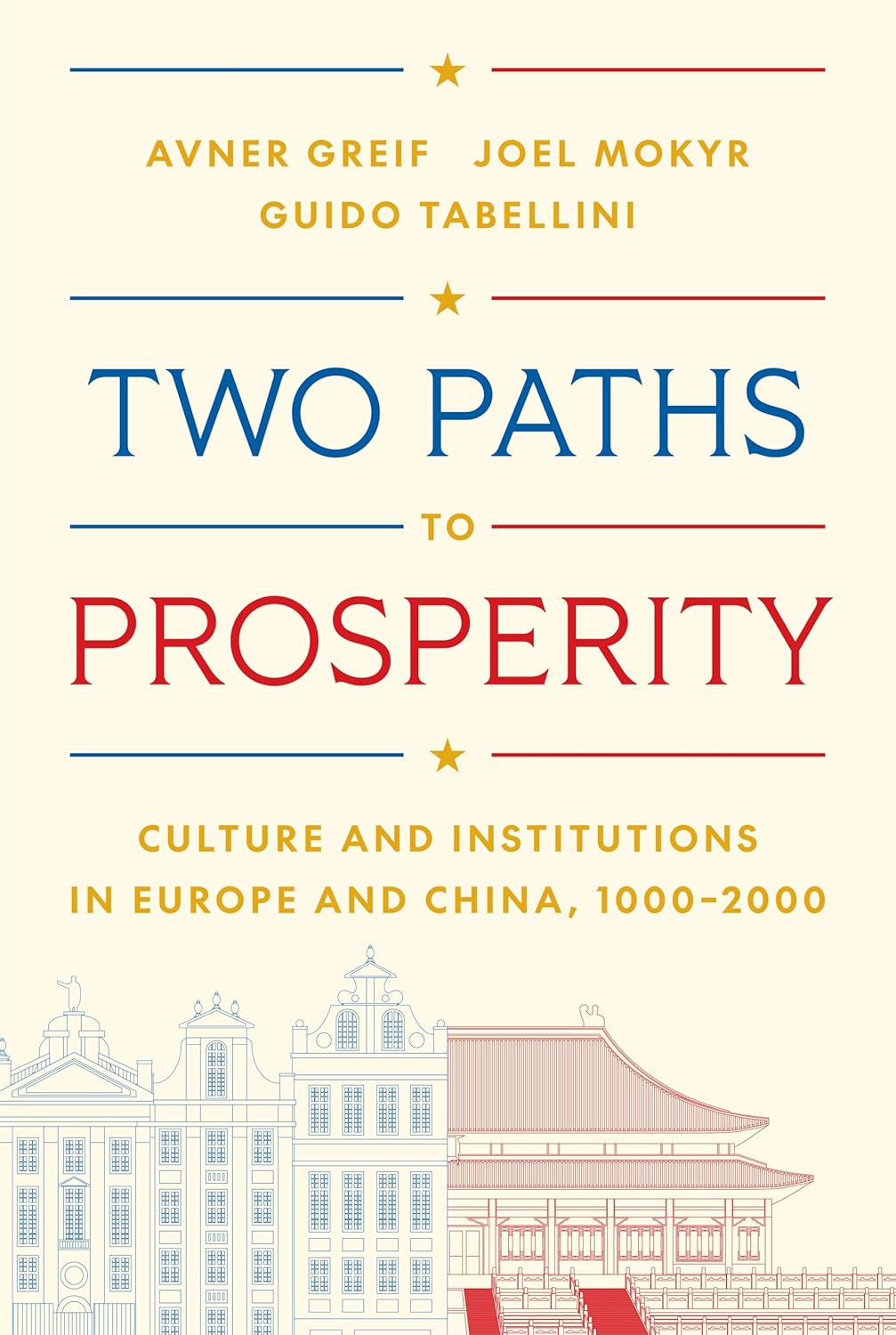
  • Author of ‘A Culture of Growth’ and ‘Two Paths to Prosperity’

Joel Mokyr is a Nobel Prize–winning economic historian and one of the world’s leading thinkers on how innovation actually happens — why certain businesses, industries, and societies leap ahead while others stall. As the Robert H. Strotz Professor at Northwestern University, he has spent decades studying the cultural, institutional, and behavioral forces that spark technological breakthroughs and drive long-term economic growth.

For business audiences, Mokyr offers something rare: a deep, evidence-based understanding of the conditions that consistently produce progress. Drawing on centuries of economic history, he shows how ideas spread, how organizations create environments where creativity flourishes, and how cultures either accelerate or choke off innovation. His insights help leaders think more clearly about productivity, talent, risk, and the dynamics that shape competitive advantage. Engaging, surprising, and always relevant, Mokyr connects the patterns of the past to the strategic choices companies face today — illuminating what it really takes to build a future where growth is not accidental, but designed.


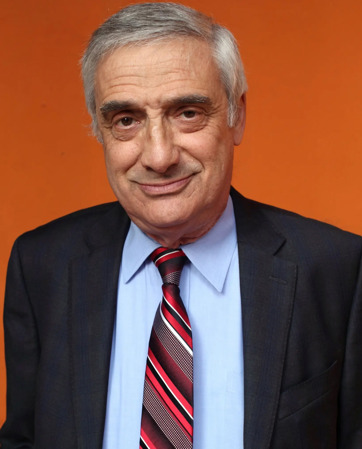
Joel Mokyr  headshot
Joel Mokyr, winner of the 2025 Nobel Prize in Economic Sciences | Northwestern Press Conference - Get Sharable Link
Talks & Conversations with Joel Mokyr
Expand all >

How Ideas Change the World

Economic historian JOEL MOKYR explores how transformative ideas spread and take hold across time. He shows what past thinkers, inventors, and risk-takers reveal about how progress actually happens and why the exchange of ideas remains the true engine of human advancement. ...

Economic historian JOEL MOKYR explores how transformative ideas spread and take hold across time. He shows what past thinkers, inventors, and risk-takers reveal about how progress actually happens and why the exchange of ideas remains the true engine of human advancement.

Why Some Societies Prosper and Others Fall Behind

Nobel Laureate JOEL MOKYR examines why certain nations sustain growth while others struggle. Drawing on centuries of data and cultural analysis, he discusses how trust, education, and institutions create the conditions for innovation and long-term success. ...

Nobel Laureate JOEL MOKYR examines why certain nations sustain growth while others struggle. Drawing on centuries of data and cultural analysis, he discusses how trust, education, and institutions create the conditions for innovation and long-term success.

Innovation in Times of Disruption

Professor JOEL MOKYR examines how moments of uncertainty have historically sparked some of humanity’s greatest advances. He offers audiences a historical lens on how creativity emerges from crisis, revealing what past revolutions can teach leaders navigating technological and social transformation t ...

Professor JOEL MOKYR examines how moments of uncertainty have historically sparked some of humanity’s greatest advances. He offers audiences a historical lens on how creativity emerges from crisis, revealing what past revolutions can teach leaders navigating technological and social transformation today.

The Economics of Progress

Drawing on decades of research into technology, population, and culture, JOEL MOKYR offers a sweeping view of what drives prosperity. He helps audiences see how lessons from the past can inform smarter choices in business, policy, and global development today. ...

Drawing on decades of research into technology, population, and culture, JOEL MOKYR offers a sweeping view of what drives prosperity. He helps audiences see how lessons from the past can inform smarter choices in business, policy, and global development today.

(-)
Books by Joel Mokyr
(-)
Press & Media
(-)
Biography

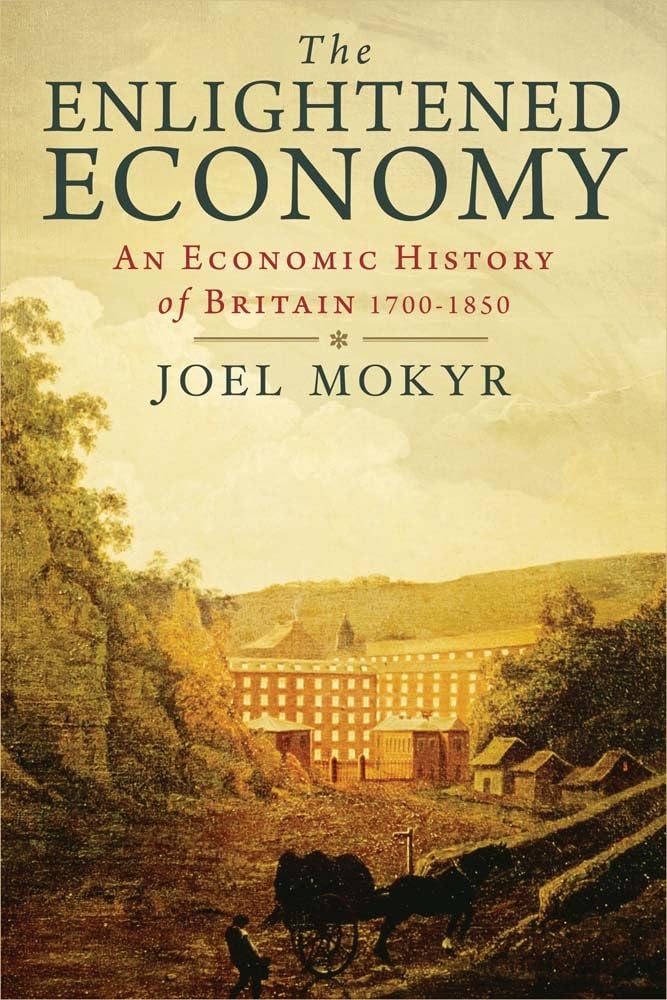
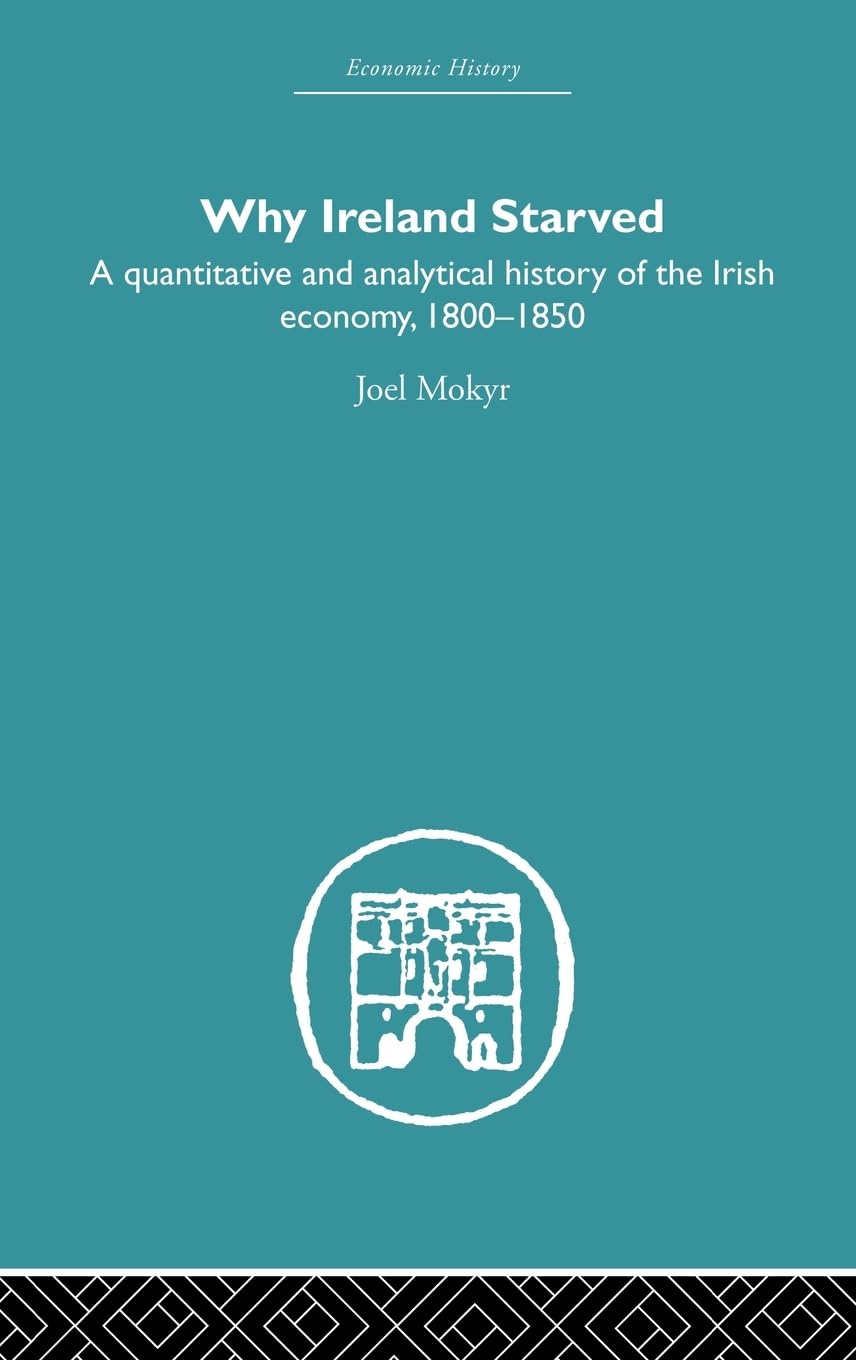
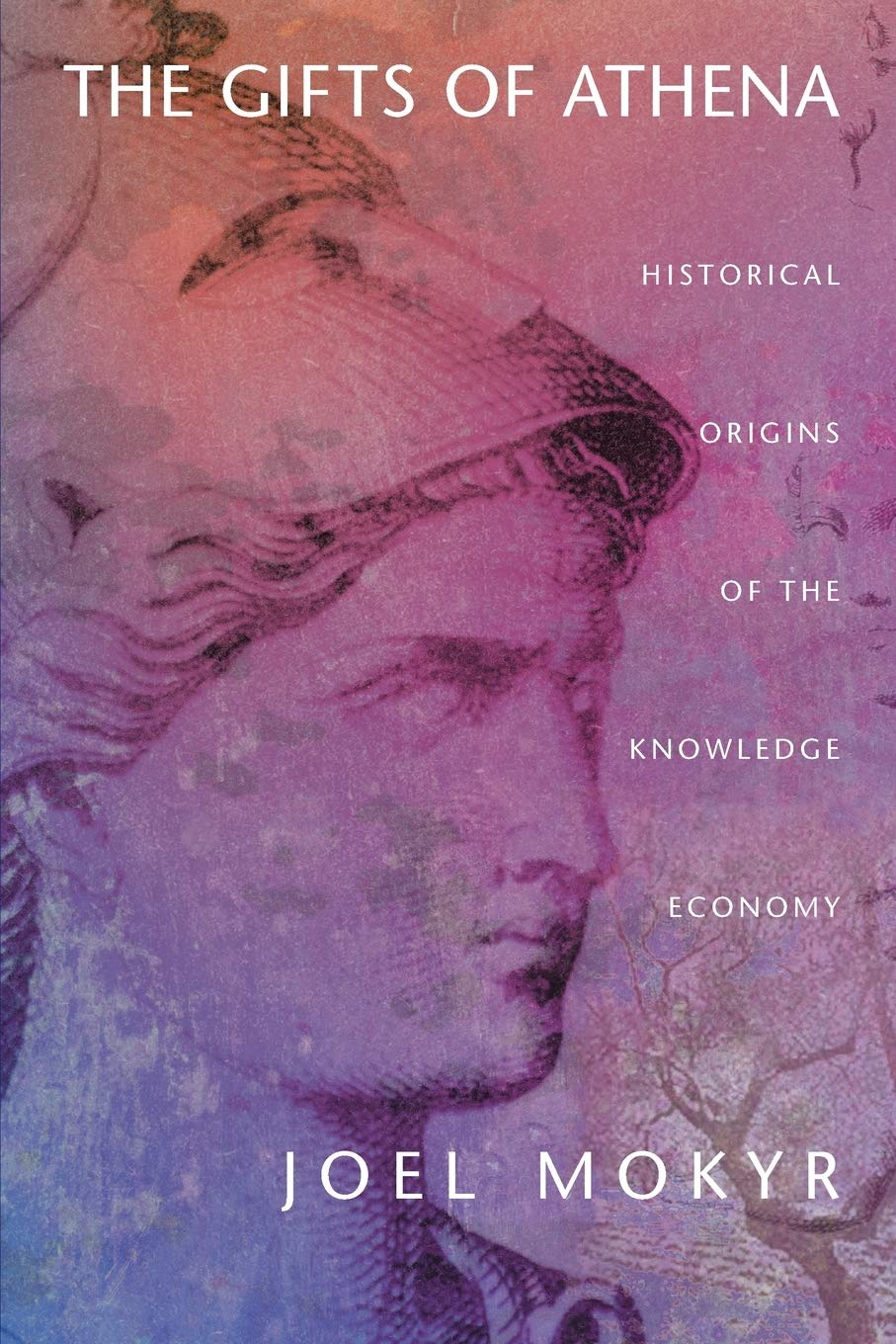
Joel Mokyr is the Robert H. Strotz Professor of Arts and Sciences and Professor of Economics and History at Northwestern University and Senior Professor (by special appointment) at the Eitan Berglas School of Economics at the University of Tel Aviv. He specializes in economic history and the economics of technological change and population change. He is the author of Why Ireland Starved: An Analytical and Quantitative Study of the Irish Economy, The Lever of Riches: Technological Creativity and Economic Progress, The British Industrial Revolution: An Economic Perspective, The Gifts of Athena: Historical Origins of the Knowledge Economy, The Enlightened Economy: an Economic history of Britain, 1700-1850 and A Culture of Growth. His most recent book is Two Paths to Prosperity: Culture and Institutions in Europe and China, 1000-2000, (joint with G. Tabellini and A. Greif) published by Princeton University Press in 2025. He has authored over 120 articles and books in his field.

He has served as the senior editor of the Journal of Economic History from 1994 to 1998, and was editor in chief of the Oxford Encyclopedia of Economic History (published in July 2003), and serves as editor in chief of a book series, the Princeton University Press Economic History of the Western World. He served as President of the Economic History Association 2003-04, President of the Midwest Economics Association in 2007/08, President of the Atlantic Economic Association (2015/16), and is a director of the National Bureau of Economic Research. He serves as chair of the advisory committee of the Institutions, Organizations, and Growth program of the Canadian Institute of Advanced Research. He served as chair of the Economics Department at Northwestern University between 1998 and 2001 and was a fellow at the Center for Advanced Studies in the Behavioral Sciences at Stanford between Sept. 2001 and June 2002.

Professor Mokyr has an undergraduate degree from the Hebrew University of Jerusalem and a Ph.D. from Yale University. He has taught at Northwestern since 1974, and has been a visiting Professor at Harvard, the University of Chicago, Stanford University, the Hebrew University of Jerusalem, the University of Tel Aviv, University College of Dublin, and the University of Manchester. In 2006 he was awarded the biennial Heineken Prize by the Royal Dutch Academy of Sciences for a lifetime achievement in historical science. In 2015 he was awarded the Balzan Prize for Economic History awarded once every twenty years. He is a fellow of the American Academy of Arts and Sciences, a foreign fellow of the Royal Dutch Academy of Sciences, the Accademia Nazionale dei Lincei, a corresponding fellow of the British Academy, and a Fellow of the Econometric Society and the Cliometric Society. In 2018 he was elected as a distinguished fellow of the American Economic Association.

His books have won a number of important prizes including the Joseph Schumpeter memorial prize, the Ranki prize for the best book in European Economic history, the Donald Price Prize of the American Political Science Association, and the Allan Sharlin Prize of the Social Science History Association. He was made a doctor honoris causa by the National University of Uruguay in 2018 and by the University of Lyon II in 2020. He was awarded the Jonathan Hughes Prize for excellence in the teaching of economic history by the Economic History Association in 2019. In 2025 he was awarded the Nobel Prize for Economic Science, together with Peter Howitt and Philippe Aghion.