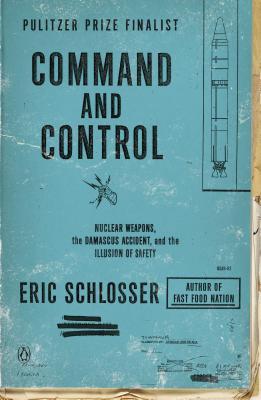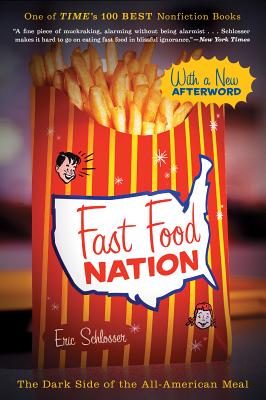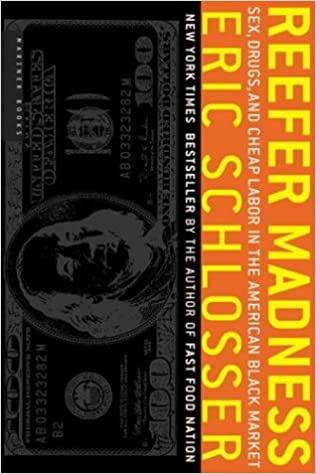

Eric Schlosser
EXCLUSIVE
ADD TO MY SPEAKER LIST
- NYT Bestselling Author, 'Fast Food Nation,' 'Reefer Madness,' & 'Command and Control'
- Renowned Investigative Journalist
- Producer and Documentary Filmmaker
- Finalist, Pulitzer Prize in History (2014)



The Harms of Our Industrial Food System
As seen on NPR, The Atlantic, Real Time with Bill Maher, and more, ERIC SCHLOSSER says mergers and acquisitions have created food oligopolies that are inefficient, barely regulated, and sometimes dangerous. In this presentation, Schlosser lays out a roadmap to a more sustainable, humane, and delicious future.
Labor and Our Industrial Food System
Investigative journalist and Pulitzer Prize finalist ERIC SCHLOSSER shares the stories of our food workers as part of a greater picture of the American lived experience. Farmworkers, meatpacking workers, and restaurant workers are the foundation of our food economy—but they are also among the poorest, most exploited, most likely to be undocumented workers in the country. If you eat, you are connected to these men and women with every bite.
The New Nuclear Arms Race
Right now, ERIC SCHLOSSER sees that the world faces three great existential threats: climate change, viral pandemics, and nuclear weapons. Of the three, nuclear weapons pose by far the greatest immediate danger yet receive the least attention--a fact that only increases the threat.
AI, Nuclear Weapons, & the Risks of Complex Tech
Nuclear weapons, commercial airliners, driverless cars—all three are machines that can go wrong in unexpected ways. As the world grows more and more dependent on complex technological systems, we must keep in mind the flaws inherent in them and maintain a sense of humility about them. In this talk, ERIC SCHLOSSER highlights that everything we create is imperfect, often in hidden ways, with potentially catastrophic consequences that need to be managed.
The War on Drugs
Since Ronald Reagan declared the War on Drugs in 1982, millions of Americans have been arrested and imprisoned for non-violent drug crimes—and yet today illegal drugs are less expensive and more readily available than forty years ago. ERIC SCHLOSSER argues that we urgently need to end the drug war and rethink how we treat people who abuse drugs.