
James Kakalios
EXCLUSIVE
ADD TO MY SPEAKER LIST
- Physics Professor of Superhero Science
- Comic Book Nerd
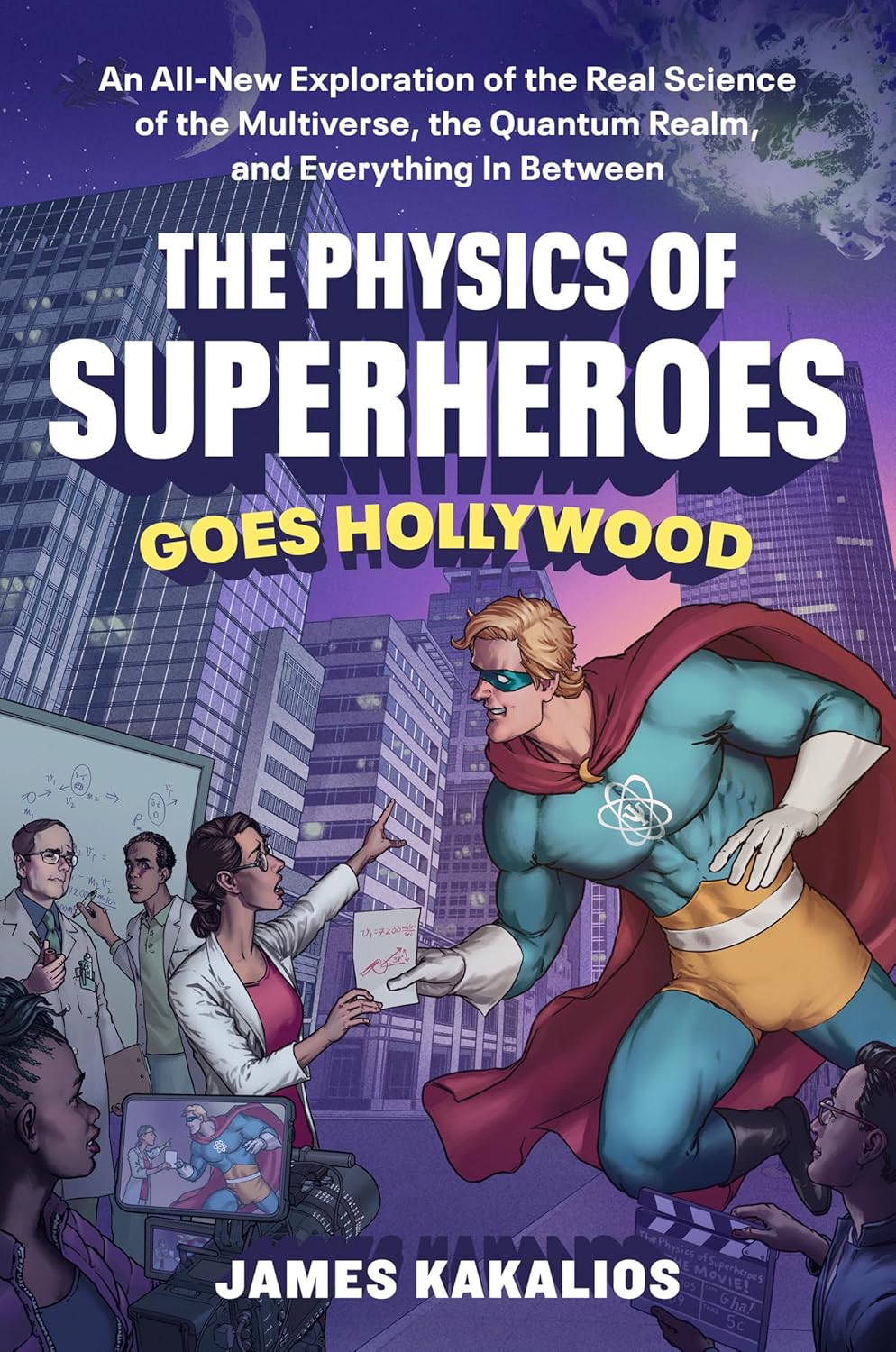
- Author, 'The Physics of Superheroes' and 'The Physics of Superheroes Goes Hollywood'
- Science Consultant for 'Watchmen' & 'The Amazing Spider Man'

- Edinburgh Book Festival
- Microsoft
- March for Science
- Academia Film Festival (Czech Rep.)
- Stanford University
- Alpbach Technology Festival
- Medronic, St. Paul
- Perugia Science Festival
- Comic Con
- Library of Congress


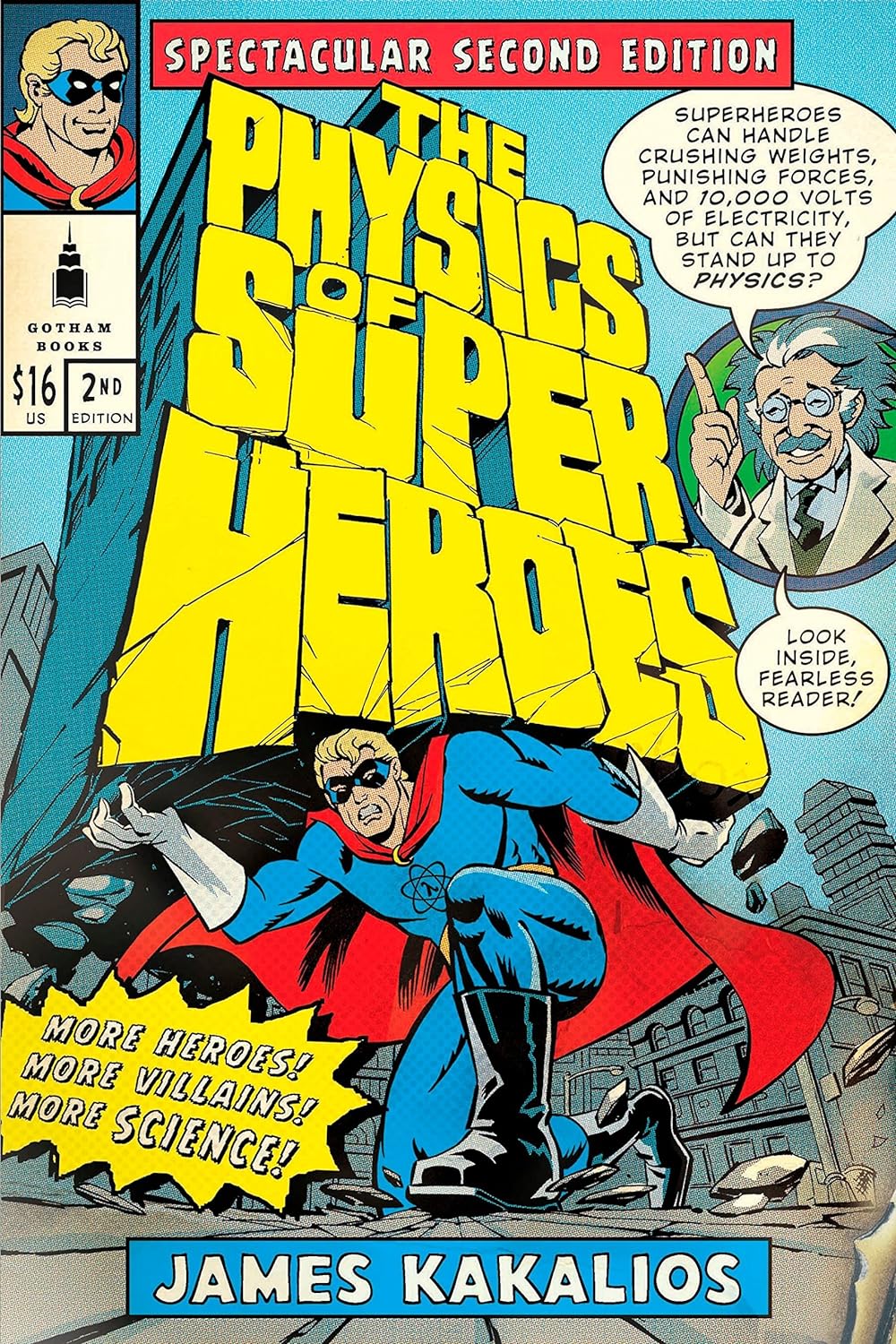
The Physics of Superheroes
Superhero comic books often get their science right more often than you think, according to DR. JAMES KAKALIOS.
Have you ever wondered how strong you would have to be to "leap a tall building in a single bound?" Was it “the fall” or “the webbing” that killed Gwen Stacy, Spider-Man’s girlfriend in the classic Amazing Spider-Man # 121? How does Kitty Pryde from the X-Men comics and movies use quantum mechanics to walk through walls? All this, and the answers to such important real-life questions as the chemical composition of Captain America’s shield, and who is faster: Superman or the Flash? will be discussed.
The Materials Science of Superheroes
While materials scientists don’t typically consult comic books when selecting research topics, innovations first introduced in superhero adventures as fiction can sometimes find their way off the comic book page and into reality. DR. JAMES KAKALIOS discusses efforts to replicate Spider-Man’s wall crawling ability and fabricating artificial fibers that are stronger than Spidey’s webbing, how to build Wonder Woman’s invisible plane, how Iron Man’s nanotech works, and how “smart fabrics” mimic the capabilities of superhero costumes.
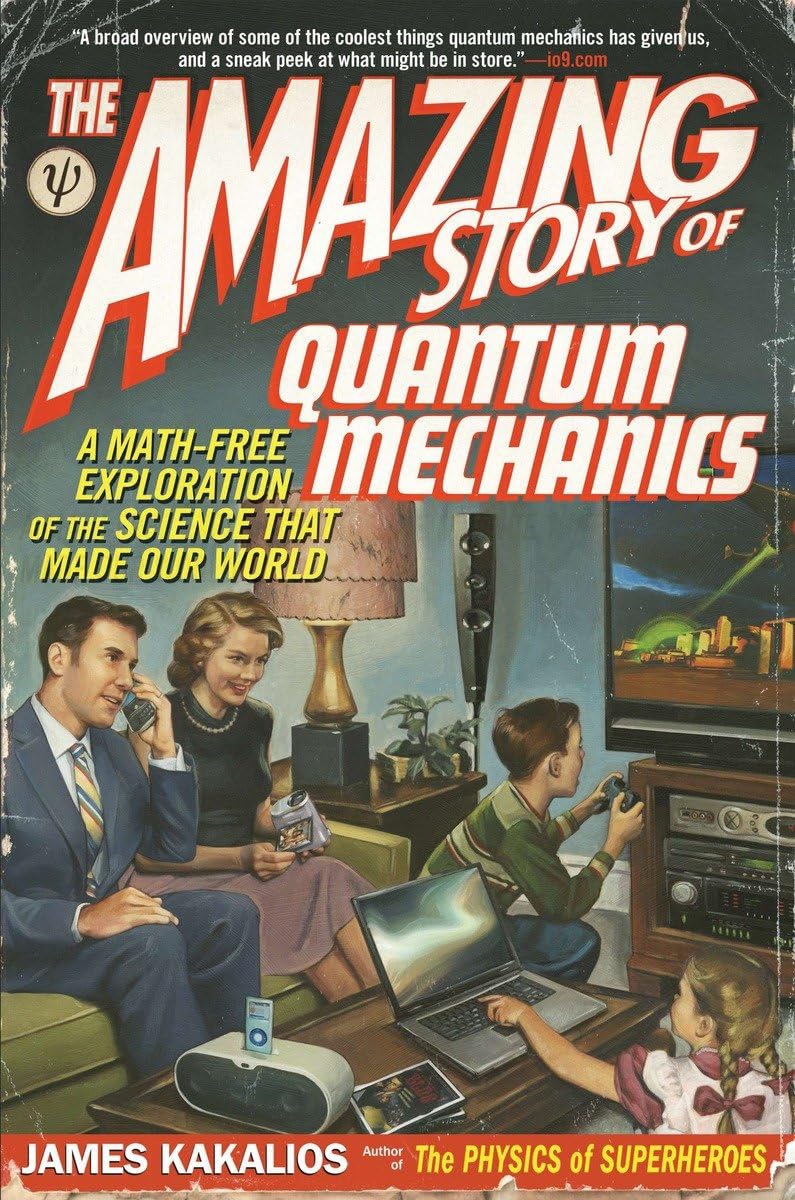
The Amazing Story of Quantum Mechanics
Here we are in the 21st century: we were promised jet packs and flying cars but got smartphones and laptop computers. DR. JAMES KAKALIOS explains how this happened.
The writers of comic books and 1950’s science fiction films thought we’d have a Revolution in Energy, while we actually had a Revolution in Information. This Information Revolution was made possible by semiconductor and solid-state physics, which in turn was made possible by the development of Quantum Mechanics. I’ll review the three basic principles of Quantum Mechanics that underlie transistors, lasers, light-emitting diodes, Magnetic Resonance Imaging and a host of other technologies.
The Atomic Age
In a 1929 Buck Rogers comic strip, the hero uses an “atomic torpedo” to escape from a tough spot – a full 16 years before the Trinity test of the first Atomic Bomb at Los Alamos! In this talk, DR. JAMES KAKALIOS describes the physics that enables the release of tremendous energies in fission and fusion weapons and attempts to harness this energy for peaceful purposes. We’ll also learn why the writers of a Buck Rogers comic were confident their readers would know about atomic weapons well before the Manhattan Project.
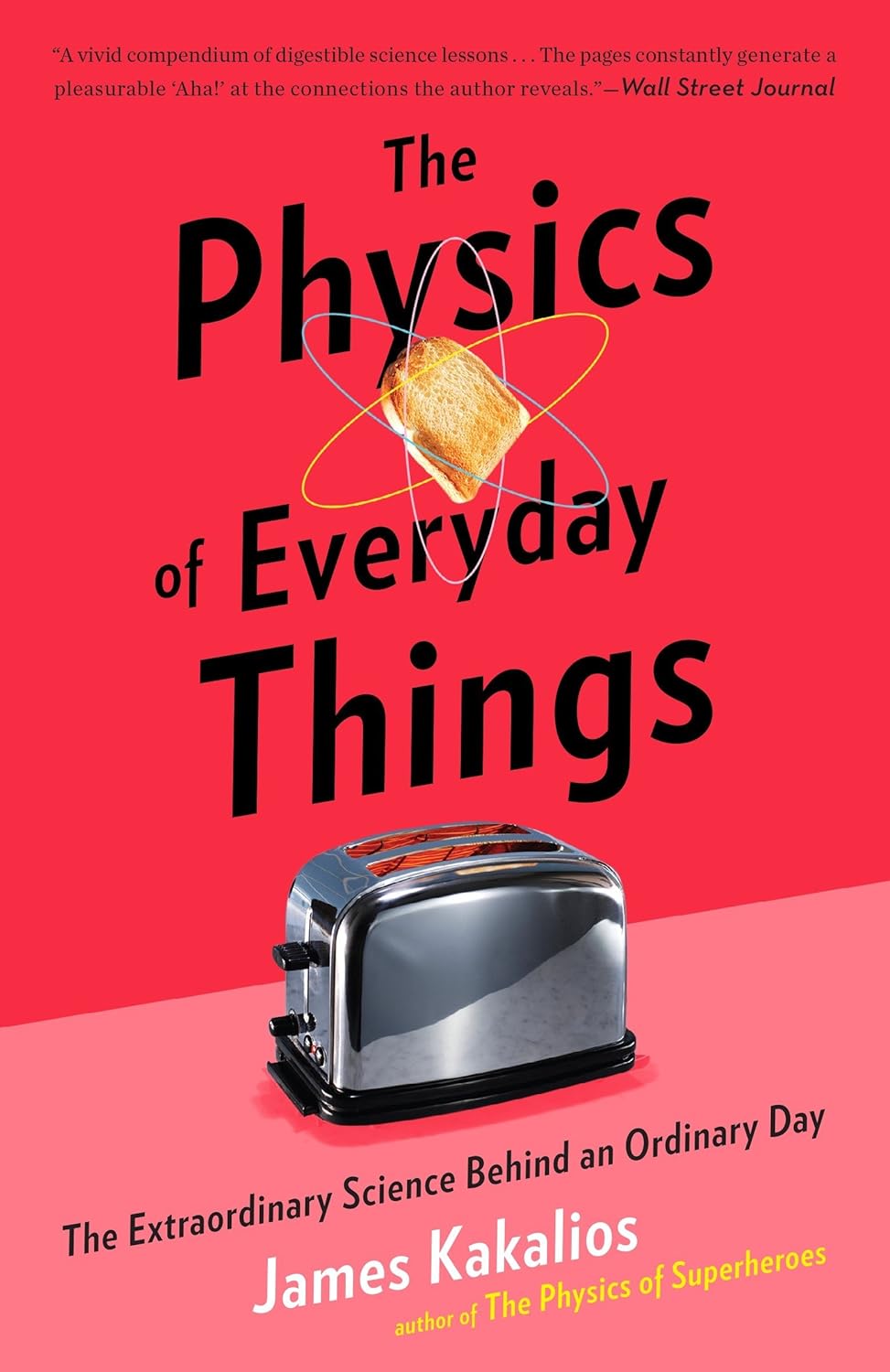
The Physics of Everyday Things
From as soon as you awaken to the moment you go to sleep, you are surrounded by technological devices which make your life (usually) easier and better. These devices seem like magic – and they are (that is, magic like Harry Houdini – not Dr. Strange!). In this talk, DR. JAMES KAKALIOS will spill the secrets of these magic tricks, explaining the extraordinary physics of touchscreens, keyless card entry, Fitbit watches, the security systems at an airport’s TSA and other devices which make our every-day extraordinary.