
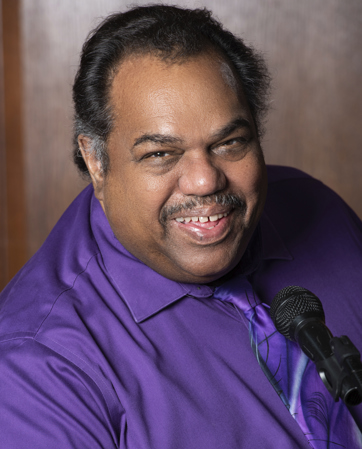
Daryl Davis
- Internationally Acclaimed Conflict Navigator and Compelling Unifier
- Musician - Chuck Berry, The Legendary Blues Band, and Many Others
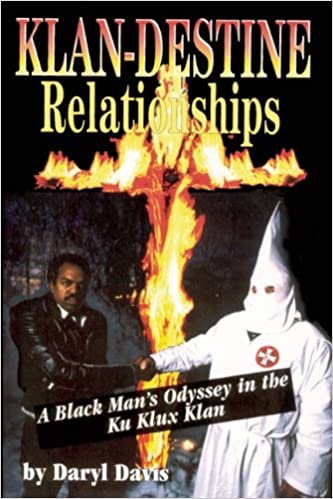
- Author of 'Klan-Destine Relationships'
- Known as the Klan Whisperer and “The Rock'n'Roll Race Reconciliator”


- Manchester University
- Franklin College of Indiana
- The Governor’s Academy
- Carleton College
- Roanoke College
- Office of Congressional Workplace Rights
- Jewish Federation of South Palm Beach County
- American Family
- University of Wisconsin-Stevens Point
"The event was a big success and Daryl was very well received by students, staff/faculty, and the community as a whole. The theater was at max capacity and there were an additional 150 virtual viewers... I heard many comments about how inspiring and empowering the presentation was and how courageous Daryl is."
-University of Wisconsin-Stevens Point"The reviews are in. Daryl Davis was incredible. One of our DEI (Diversity, Equity, and Inclusion) leaders said that this was the best event he had seen in HIS CAREER in the DEI space. I'm busting at the seams excited about this."
-American Family"Daryl was amazing. He was concise and compelling. Truly outstanding! Please let him know how appreciative we are of his talent and skill and let him know he really made the event."
-Jewish Federation of South Palm Beach County"Your presentation was riveting. You are such an engaging speaker and your story is powerful. We are humbled and inspired by the lessons you shared with us, and the knowledge that each of us can make a difference."
-Office of Congressional Workplace Rights"He was fabulous! We had a great turnout too! Couldn’t have been better. Daryl exceeded our expectations!"
-Roanoke College"Daryl Davis is a voice of reason in the midst of a lot of noise. By word and example he demonstrates that civil discourse across differences is not only possible, but is the only way to change hearts and minds."
-Carleton College"It was awesome. He had a great impact on our community. One faculty member said that he was ”the best MLK Day speaker in the 21 years that he’s been here."
-The Governor’s Academy"The lecture itself was captivating. Daryl is such a great story teller…he really draws you in. I wish we could have let him speak longer so that he could have shared more stories of his encounters, more video clips & some more of his amazing piano skills. There were women on either side of me who could barely contain themselves – they were ready to boogie when he tickled those ivories! Daryl received a much-deserved standing ovation at the conclusion of the night and I saw many community & campus members approach him for a handshake and photo before his departure."
-Franklin College of Indiana


Hate - Undone: Conversations That Ignite Change
Conversation can build bridges or walls. It’s up to us. Daryl Davis should know. The noted Black musician gained international acclaim by confronting, face to face, leaders of the Ku Klux Klan and other White supremacist groups who hate him simply for the color of his skin. Daryl’s was an effort to understand them, not to change minds, but those civil conversations forged unlikely and genuine friendships. Over time, many of his new friends changed their own minds and renounced their old beliefs. What can we learn from Daryl’s inspiring and jaw-dropping experiences?
Sample Takeaways:
• Apply universal tools to create positive change wherever conflict or disagreement exists
• Prepare: Understand the other person’s position and reasoning before you engage
• You needn’t respect what people say but you must respect their right to say it
• Learn to listen, understand, and keep emotions in check, even in incendiary situations
• How to recover/repair a relationship with a colleague, client, friend, or family member
Diversity Lessons From a Black Klan Whisperer
“We spend too much time talking about the other person, talking at the other person, and talking past the other person. Amazing things can happen when we spend some time talking with the other person.” So says Daryl Davis, whose jaw-dropping experiences engaging KKK and White supremacist leaders hold lessons that inspire audiences to think differently about how they engage others who don’t share their views, backgrounds, religion, etc. The more we talk, the more we understand each other and discover what we have in common. That’s when the possibilities open up and the importance of our differences diminishes.
Sample Takeaways:
- Learn to build bridges and ignite positive change in the workplace, community, and at home
- Everyone wants the same 5 things – learn what they are and how they drive behavior
- Spend 5 minutes together and you will find things in common with even your worst enemy
- A missed opportunity for dialogue is a missed opportunity for conflict resolution
- The power of empathy – put yourself in the other person’s shoes
The Ultimate Bridge-Builder
It was music that launched Daryl Davis’ crazy connection to the Ku Klux Klan. He was complimented at a show by a White man who said he’d never heard a Black man play piano like Jerry Lee Lewis. Daryl explained that Lewis, who was actually a friend of his, learned his style by imitating Black artists of the day. The guy didn’t believe it. He also confessed to being a member of the KKK. The ensuing conversation led to an introduction to the leader of the Maryland KKK. Daryl interviewed him for his book and became his unlikely friend. In this talk, Daryl recounts how rock’n’roll – called "the devil’s music" by its detractors at the time of its inception – broke down early racial barriers with young people in the 1950s. Daryl brings that history forward into his own story, using music as a common denominator and proving that musical and racial harmony go hand-in-hand. He has been dubbed "The Rock'n'Roll Race Reconciliator" for helping people find common ground. Daryl punctuates his captivating presentation with a thrilling musical performance, in the signature Boogie-Woogie style he honed while backing Chuck Berry and other rock'n'roll legends.
Film Screening: 'Accidental Courtesy'
Consider enhancing Daryl's speech with a screening of Accidental Courtesy, the film about his work.
2042 - What's Driving Hate and How To Stop It
The forces of hate are on the rise in America, making more headlines each day. What can be done about this troubling trend? With over 40 years of engaging KKK and far-right White supremacist groups as a Black man, Daryl Davis provides answers and tells audiences what’s driving this domestic terror, including fear of 2042, the year America is predicted to become a non-White majority nation. Fringe groups are stoking people’s worst fears about that – fostering hate that is very real and extremely dangerous. In this talk, Daryl reminds people, hate is learned – and what is learned can be unlearned. Engaging and educating, not shunning those with toxic beliefs, is crucial. Sharing his powerful personal stories of building true friendships with the same people who once hated him simply for the color of his skin, shows how to build bridges and be a force creating a better world. Engaging those who don’t share our beliefs promotes understanding and respect, even in the face of serious disagreement or differences. Daryl believes we can all play a part in ending hate because, as he says, “There’s only one race – the human race.”
Audiences leave Daryl’s lecture understanding:
• How fear drives hate and engagement overcomes it
• The key to changing another’s reality through perception
• Ways to overcome one’s own prejudices, biases, and fears
• How one person can make a world of positive difference
• How to navigate a world of ever-growing diversity